
The Mysterious Enigma: Unraveling Why Orcas Attack Sailboats by Gibraltar
The mesmerizing waters surrounding Gibraltar have witnessed a series of astonishing events in recent years: orcas attacking sailboats. These magnificent marine creatures, known for their intelligence and striking beauty, have left sailors puzzled, with many wondering what could be the underlying reasons behind these unexpected encounters. In this article, we delve into the world of orcas and explore some plausible explanations for their unusual behavior near Gibraltar's waters.
Natural Curiosity and Playfulness:
Orcas, also known as killer whales, are highly intelligent and curious creatures. Their advanced cognitive abilities drive them to explore their surroundings, investigate new objects, and interact with their environment. Sailboats, with their unique structures and movements, can pique the curiosity of orcas, leading them to approach these vessels out of natural inquisitiveness and playfulness.
Mistaken Identity:
One plausible explanation for orcas' sailboat encounters is a case of mistaken identity. These marine mammals rely heavily on echolocation, a biological sonar system that helps them navigate and hunt in their environment. Sailboats, with their keels and rudders, create acoustic signals that may resemble prey items or other marine creatures, confusing orcas and triggering their hunting instincts. The resulting interactions can be seen as a result of these misunderstood cues.
Protection of Young:
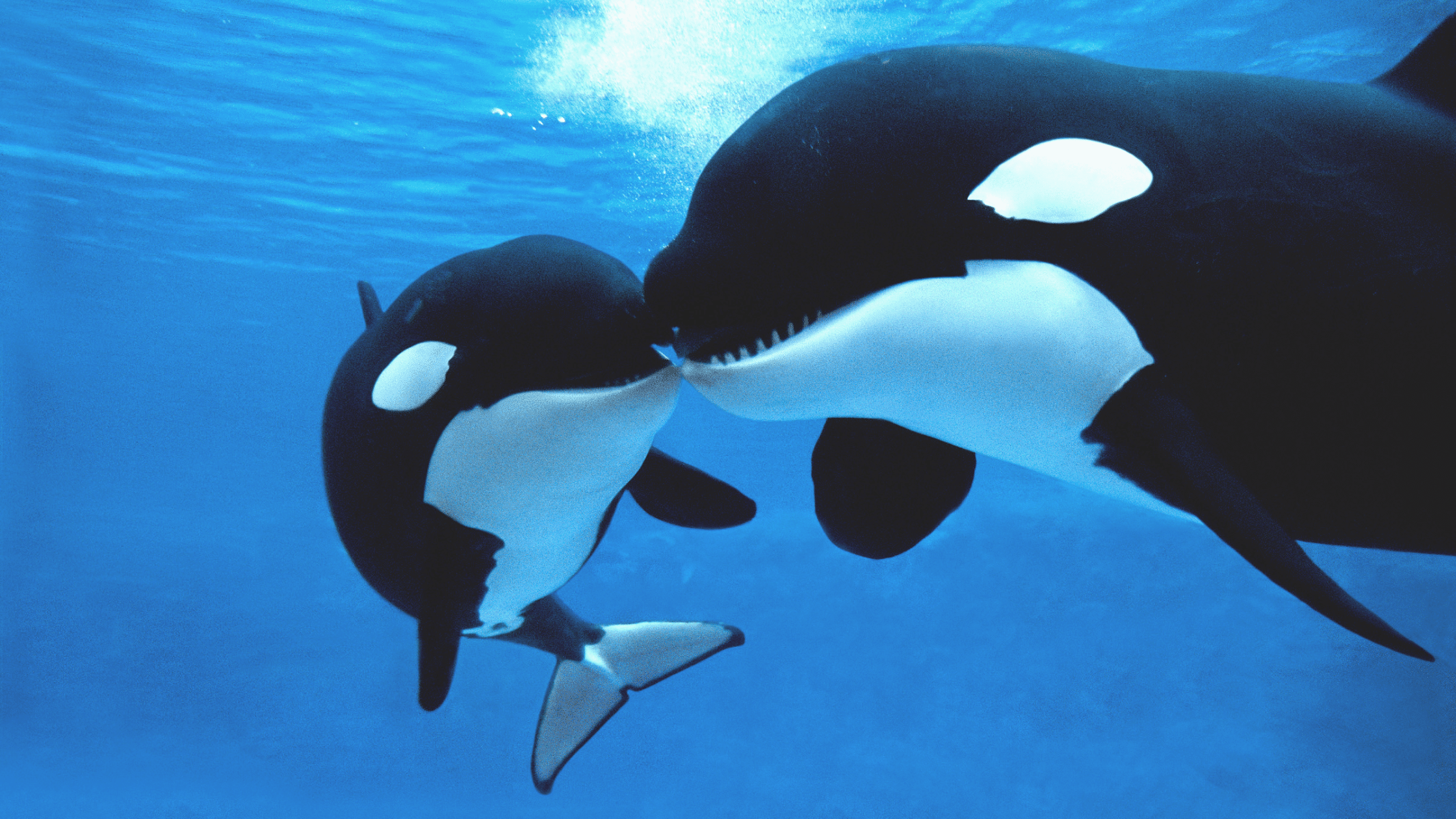
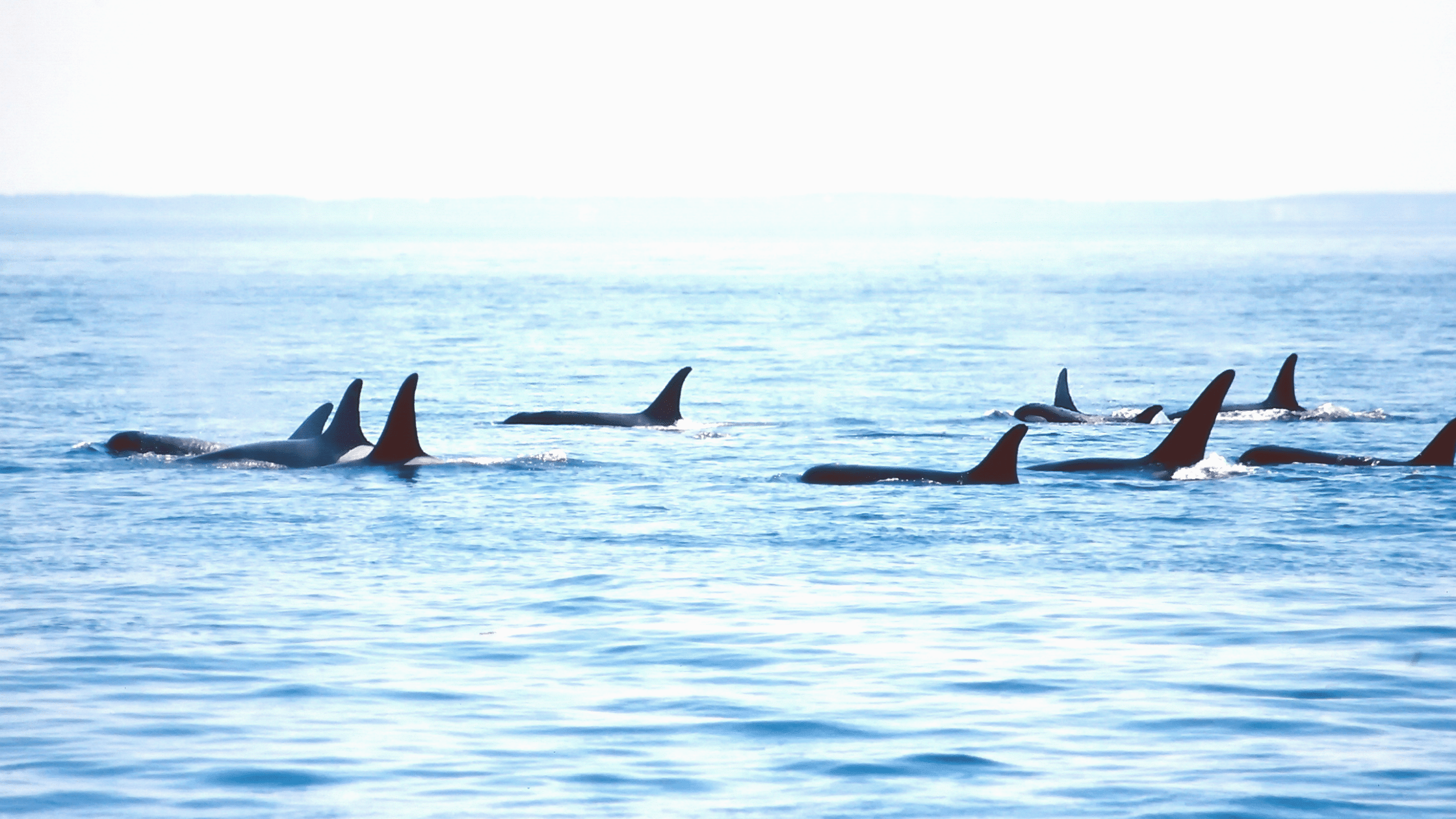
Orcas are highly social animals that live in tight-knit family groups called pods. The protection of their young is of utmost importance to these intelligent mammals. Sailboats, with their potential threat of collision or harm to their offspring, may trigger a defensive response from orcas. Their actions, which may appear as aggressive, can be interpreted as an attempt to safeguard their vulnerable calves from potential dangers.
Cultural Learning:
Orcas are known for their cultural and behavioral adaptability. They possess unique dialects, hunting techniques, and social structures that are passed down from generation to generation within their pods. The observed sailboat encounters near Gibraltar could be a result of cultural learning, where specific pods or individuals have developed a particular interest in sailboats as a learned behavior. This behavior might spread among pod members through social interactions, contributing to the apparent increase in these encounters.
Environmental Changes:
The marine environment near Gibraltar has experienced various changes over the years, including alterations in water temperatures, prey availability, and migration patterns of marine species. These changes can disrupt the natural balance and dynamics of the orcas' ecosystem, forcing them to adapt and seek alternative food sources. The increased interaction with sailboats might be a consequence of orcas attempting to explore new hunting grounds or adjust their feeding strategies due to these environmental shifts.
Conclusion:
While the exact reasons behind the orcas' sailboat encounters near Gibraltar remain open to interpretation, a combination of natural curiosity, mistaken identity, protective instincts, environmental changes, and cultural learning offers plausible explanations for these intriguing events. As scientists continue to study and understand the complex behavior of orcas, it is essential for sailors and marine enthusiasts to remain vigilant and respectful of these majestic creatures while enjoying the beauty of the Gibraltar waters.
By appreciating the intelligence and natural instincts of orcas, we can foster a harmonious coexistence between humans and these magnificent creatures, allowing for safer and more enriching experiences for both parties in the mesmerizing marine world near Gibraltar.
By appreciating the intelligence and natural instincts of orcas, we can foster a harmonious coexistence between humans and these magnificent creatures, allowing for safer and more enriching experiences for both parties in the mesmerizing marine world near Gibraltar.
